
In today’s digital world, great functionality alone is not enough to build successful websites and apps. Users now expect clean layouts, smooth navigation, and visually appealing designs along with strong performance. This is where graphic design and UI/UX come into play. For developers, understanding the basics of graphic design and user experience is no longer optional — it is essential.
This blog explains why UI/UX matters for developers and how learning design fundamentals can improve your products, users’ satisfaction, and even your business results.
What Is UI and UX in Simple Terms?
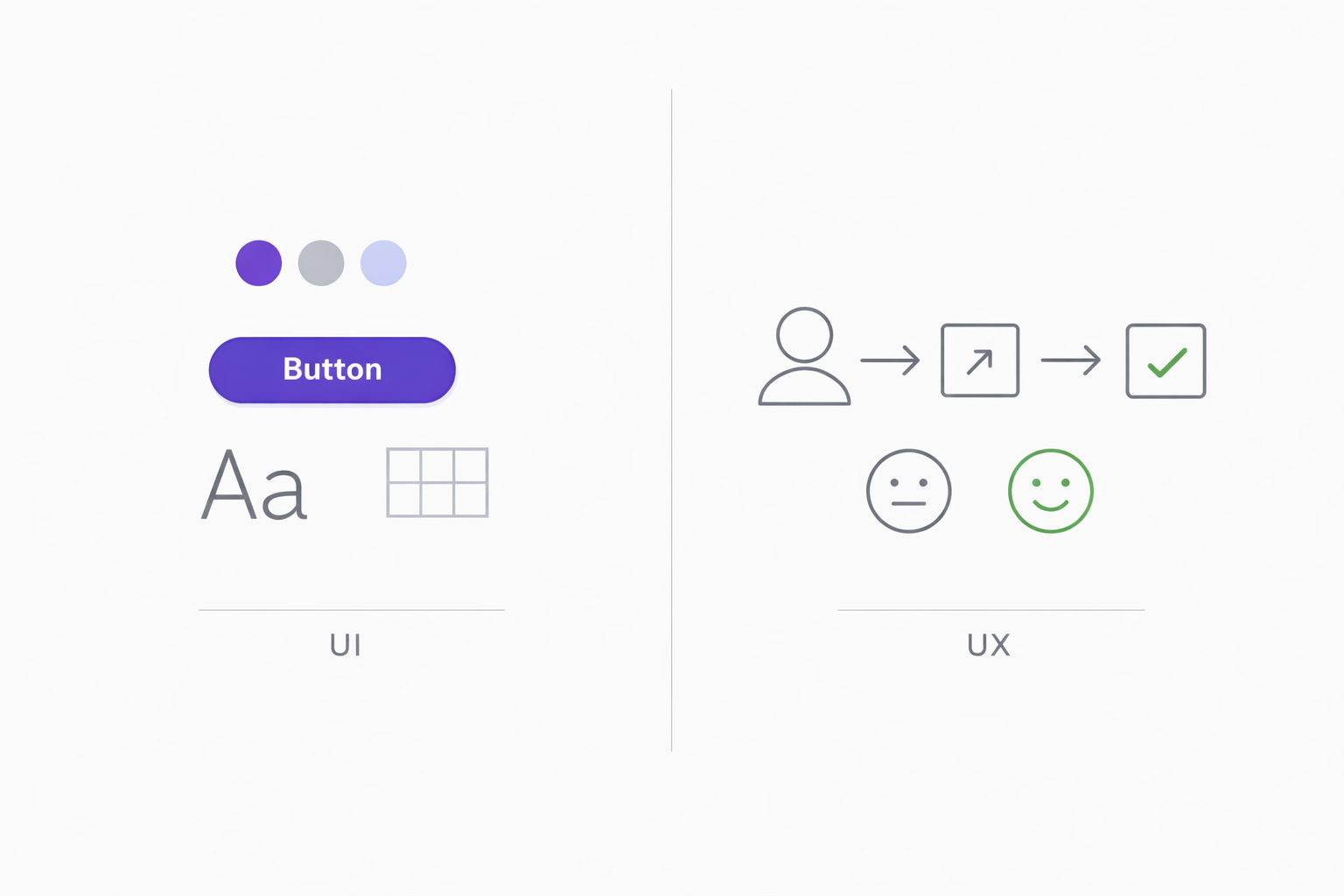
UI stands for User Interface, which refers to the visual elements users see and interact with, such as buttons, colors, typography, icons, and layouts. UX stands for User Experience, which focuses on how users feel while using a product — whether it is easy, smooth, confusing, or frustrating.
In simple words, UI is about how your product looks, and UX is about how it works and feels. Both are equally important. A beautiful app with poor usability will fail, just like a highly functional app with bad design.
Why Developers Should Care About Graphic Design Basics
Many developers think design is only the designer’s job. But in reality, development and design go hand in hand. When developers understand basic design principles, they can implement interfaces more accurately and efficiently.
Knowing concepts like spacing, alignment, contrast, and visual hierarchy helps developers write cleaner layouts and avoid awkward designs. It also improves collaboration with designers, reduces rework, and speeds up project delivery. Most importantly, it leads to better products that users enjoy using.
Better UI/UX Improves User Engagement
A well-designed interface keeps users engaged for a longer time. When navigation is simple and the layout is clean, users can easily find what they are looking for. Good UX reduces confusion and increases trust in the product.
For example, clear call-to-action buttons, readable fonts, and consistent colors guide users naturally through the app or website. This results in higher retention, better conversions, and improved customer satisfaction.
UI/UX Has a Direct Impact on Business Success
UI/UX is not just about beauty — it directly affects business growth. A poorly designed product often leads to higher bounce rates and lower conversions. Users quickly leave sites that are difficult to navigate or slow to understand.
On the other hand, a smooth user experience builds credibility, increases leads, and boosts sales. Whether it is an eCommerce website, SaaS product, or mobile app, strong UI/UX design plays a major role in turning visitors into customers.
Core Graphic Design Basics Every Developer Should Know
Developers do not need to become full-time designers, but understanding a few key design principles can make a big difference.
Color theory helps in choosing balanced and accessible color combinations. Typography ensures text is readable and visually appealing. Spacing and alignment maintain clean structure. Visual hierarchy guides the user’s attention to important elements first. Consistency across pages creates a professional and trustworthy feel.
Applying these basics improves both appearance and usability without requiring advanced design tools.
Responsive Design and UI/UX Go Together
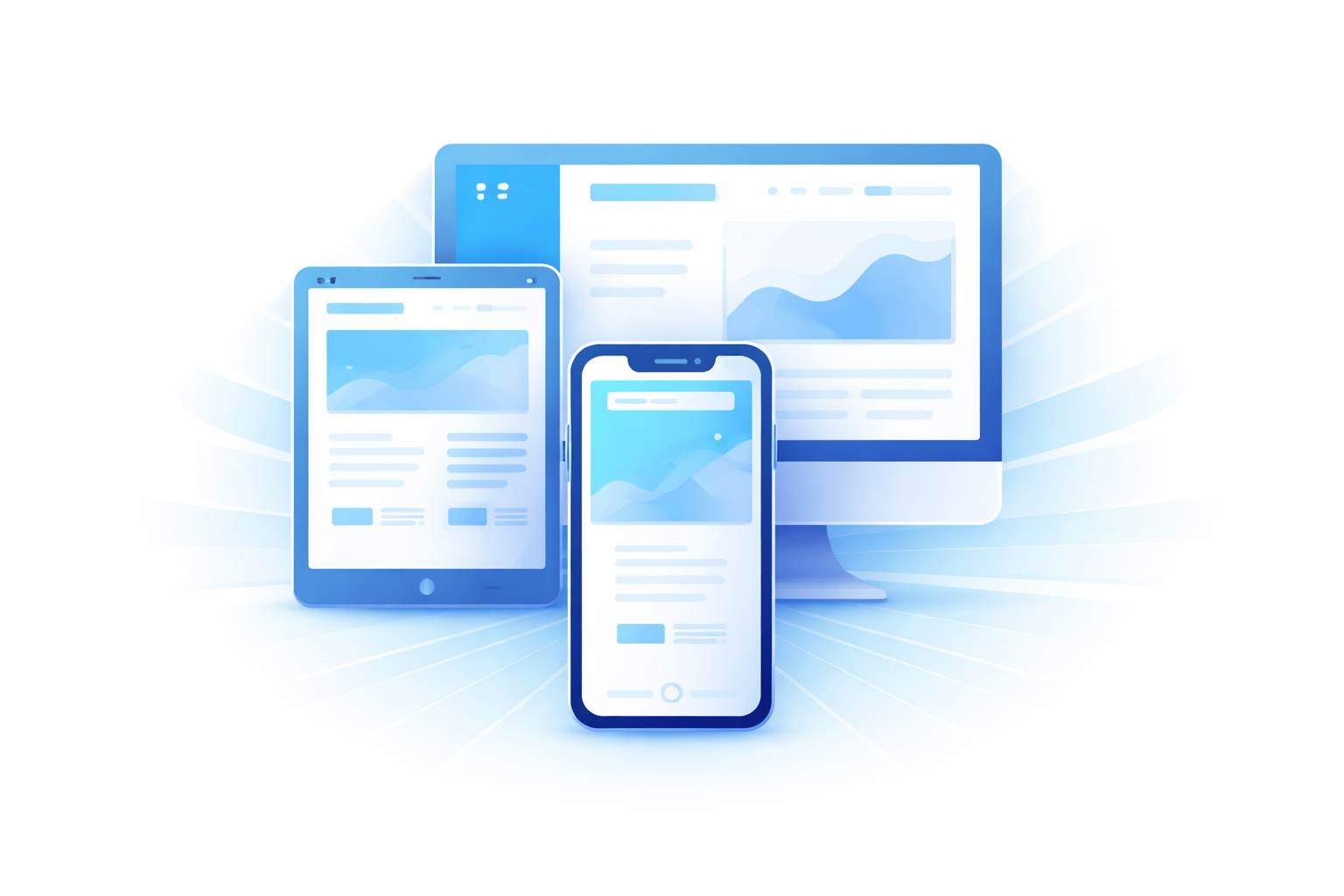
With users accessing websites from mobiles, tablets, laptops, and large screens, responsive design is critical. UI/UX ensures that layouts adapt smoothly across all devices without breaking usability.
Developers who understand responsive design principles along with UI/UX can build interfaces that remain user-friendly on every screen size. This improves accessibility and overall user satisfaction.
How UI/UX Knowledge Makes Developers More Valuable
Developers with UI/UX awareness are highly valuable in today’s market. They can think beyond code and focus on real user needs. They communicate better with designers and product managers and can take ownership of complete product experiences instead of only the backend or frontend logic.
This skill also opens doors to higher-paying roles, freelance projects, and leadership positions in product-based companies.
Simple Ways Developers Can Start Learning UI/UX
Developers can begin with small steps. Studying popular websites and apps helps understand real-world design patterns. Practicing with design tools like Figma or Adobe XD gives clarity on layout structure. Reading UI/UX blogs and following design communities improves visual sense.
Most importantly, developers should always observe how users interact with their products and learn from feedback. Real user behavior teaches more than any tutorial.
Final Thoughts: Code Is Powerful, but Experience Is Everything
In modern software development, success is not defined by code alone. It is defined by how users experience the product. Graphic design basics and UI/UX principles help developers create products that are not only functional but also enjoyable to use.
When developers care about experience along with performance, the result is powerful — better engagement, stronger brand trust, and long-term business growth. Learning UI/UX is no longer an extra skill; it is a core requirement for every developer who wants to build truly impactful digital products.