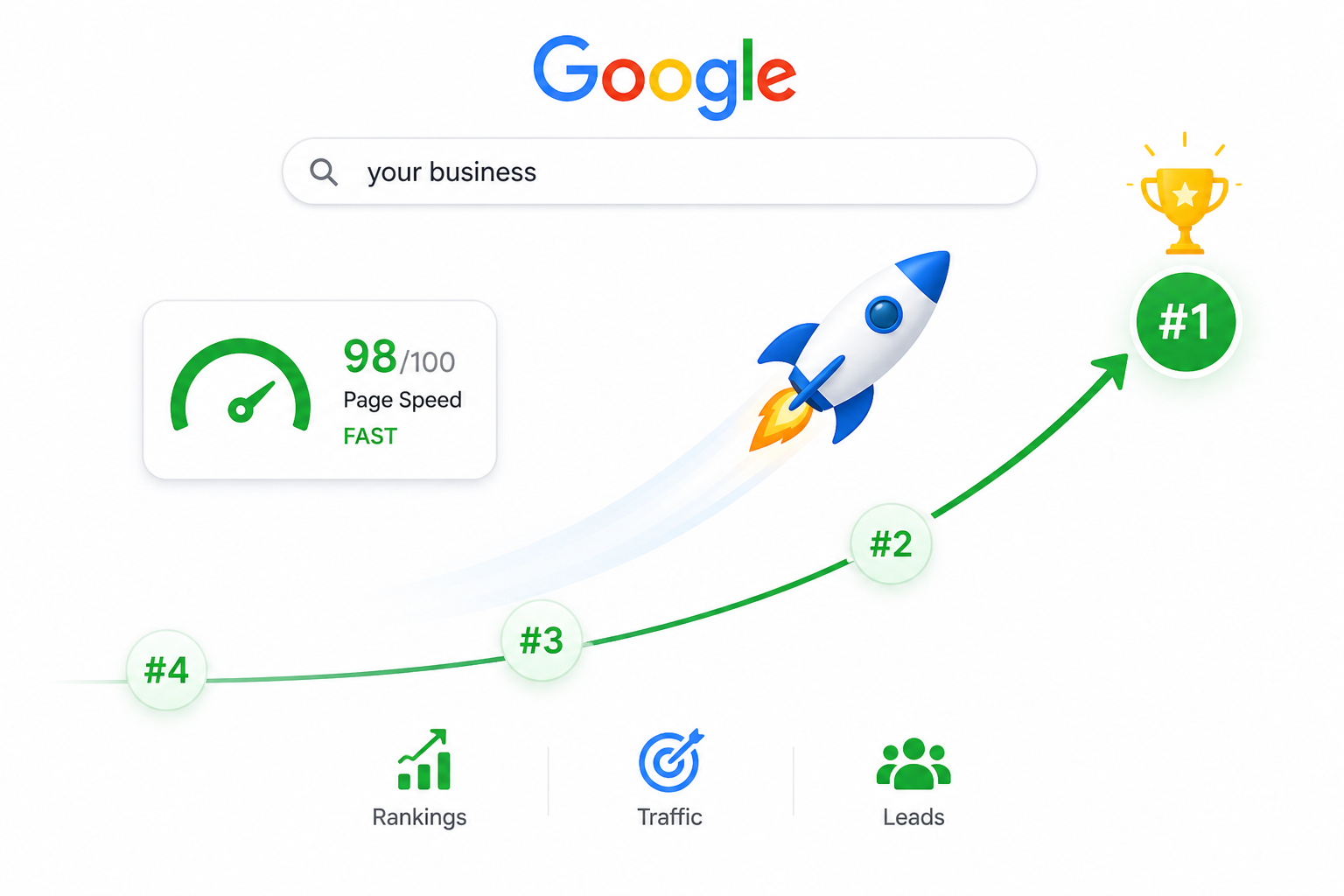
New websites face a frustrating reality: Google doesn't trust you yet. You've built something valuable, but search engines treat your site as unproven. Pages might take weeks to get indexed, and rankings feel impossibly slow to achieve.
This isn't arbitrary gatekeeping. Google indexes hundreds of millions of new pages regularly. Most are low-quality, spam, or duplicates. Their algorithms need time to evaluate whether your site deserves to rank.
But "takes time" doesn't mean "sit and wait." There are concrete actions that accelerate the process—signaling to Google that your site is legitimate, valuable, and worth prioritizing.
Here's what actually moves the needle for new websites.
Get Indexed First
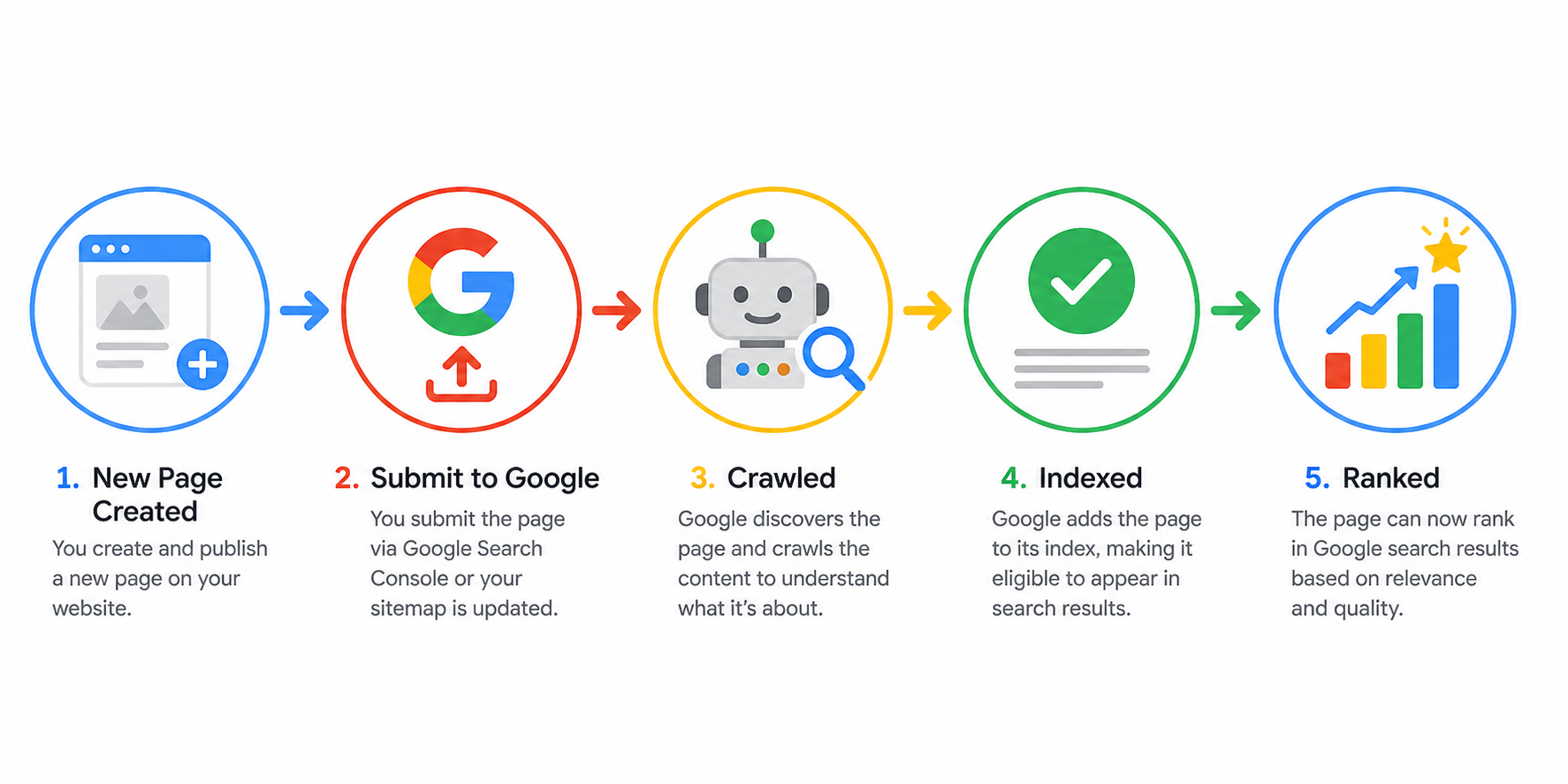
Before you can rank, Google needs to know your pages exist. New sites often aren't crawled automatically for days or weeks. Don't wait for this to happen organically.
Submit your sitemap to Google Search Console
This is step one:
- Create a Google Search Console account
- Verify your domain ownership
- Generate an XML sitemap (our Sitemap Generator makes this easy)
- Submit the sitemap URL in Search Console
The sitemap tells Google exactly which pages exist on your site. Without it, Google discovers pages by following links—a slower process for new sites with few external links.
Request indexing for important pages
In Google Search Console's URL Inspection tool, you can manually request indexing for specific URLs. Use this for your most important pages after they're published.
This doesn't guarantee immediate indexing, but it puts pages in the queue faster than waiting for natural crawl discovery.
Build internal linking structure
When Google crawls one page, it follows links to discover others. A well-linked site gets crawled more efficiently.
- Link from your homepage to main sections
- Create hub pages that link to related content
- Include contextual links within content
- Use footer/header navigation for site-wide links
Every page should be reachable within a few clicks from the homepage.
Create Content That Deserves to Rank
Google wants to rank pages that satisfy searchers. Before worrying about technical optimization, ask: "Would my content genuinely be the best result for this search?"
Target achievable keywords initially
New sites can't compete immediately for highly competitive terms. A brand-new fitness blog won't outrank established health sites for "weight loss tips."
Instead, target:
- Long-tail keywords (more specific, less competitive)
- Local variations if applicable
- Questions people ask but big sites don't answer well
- Emerging topics without established competition
Use keyword research tools to find terms where you can realistically rank. Competition analysis matters more than search volume for new sites.
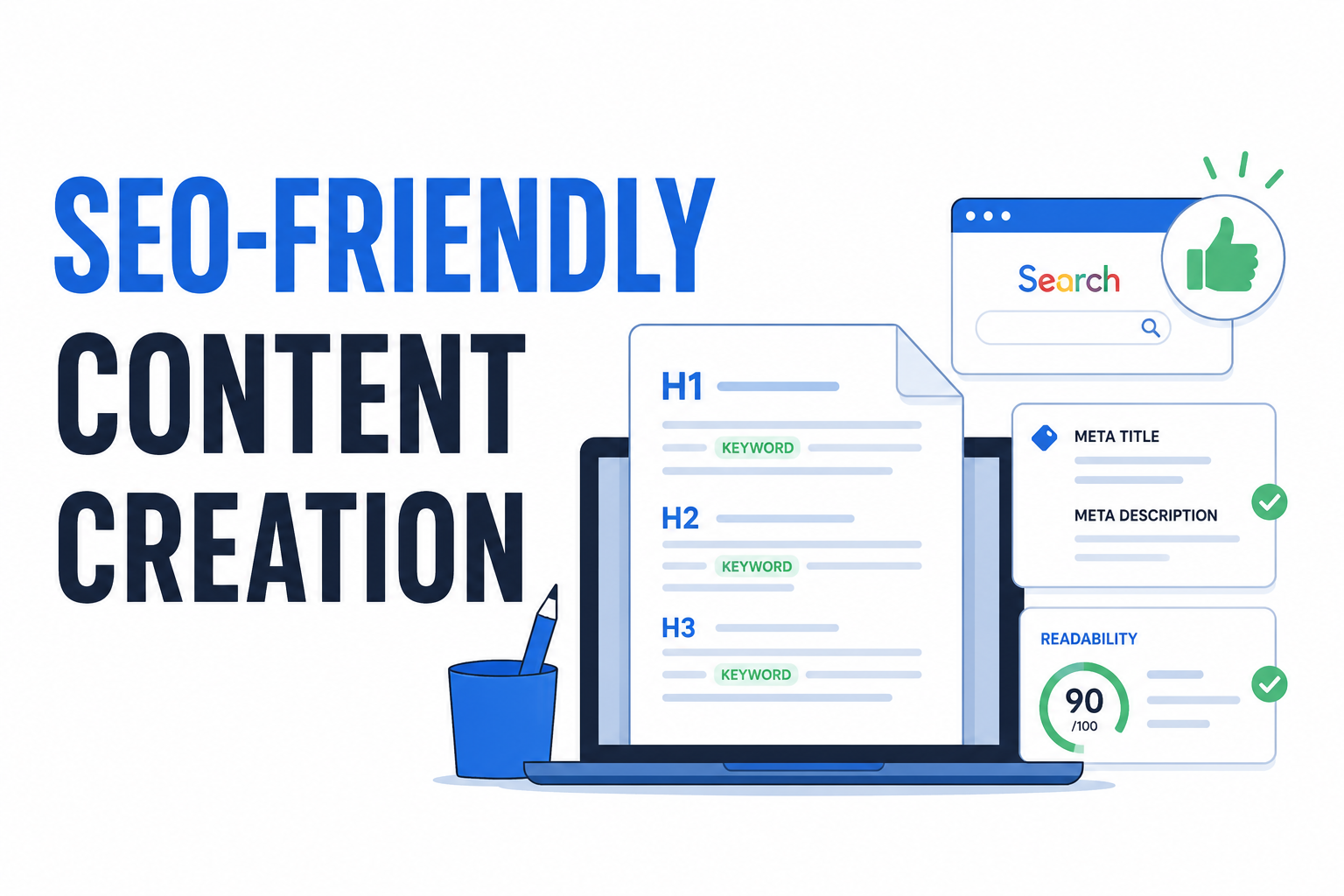
Create comprehensive, useful content
Thin content won't rank regardless of other optimization. Each page should:
- Thoroughly address the topic
- Answer questions searchers have
- Provide genuine value (information, solutions, tools)
- Be better or different than existing results
Look at what currently ranks for your target keywords. Your content needs to justify displacing those results.
Focus on quality over quantity initially
Ten excellent pages rank better than fifty mediocre ones. New sites don't need hundreds of posts—they need a smaller number of genuinely strong pieces that can earn links and engagement.
Technical Foundation Matters
Technical issues can block or slow indexing. Get the basics right from the start.
Ensure your site loads fast
Page speed is a ranking factor, and slow sites provide poor user experience. Before launch:
- Optimize and compress images
- Minimize CSS and JavaScript (our minification tools can help)
- Use browser caching
- Choose fast, reliable hosting
- Test with Google PageSpeed Insights
Be mobile-friendly
Google uses mobile-first indexing. If your mobile experience is broken or limited, rankings suffer.
- Use responsive design
- Ensure text is readable without zooming
- Make buttons and links easily tappable
- Test on actual mobile devices
Use HTTPS
Secure sites rank better than insecure ones. Get an SSL certificate (free via Let's Encrypt) and ensure all pages load via HTTPS.
Avoid crawl blocks
Check your robots.txt file. Make sure you're not accidentally blocking important pages from being crawled. Verify in Search Console that Google can access your content.
Clean URL structure
Use readable URLs that include keywords: /seo-tips-new-websites not /page?id=4827.
Build Initial Authority
New domains have zero authority. Google doesn't know whether to trust you. Building authority signals matters.
Get legitimate backlinks
Backlinks from established sites signal that others vouch for your content. For new sites:
- Write guest posts for relevant industry sites
- Get listed in legitimate business directories
- Create content that naturally earns links (tools, research, comprehensive guides)
- Reach out to sites that link to similar content
Don't buy links or use link schemes. Google detects this and penalties are severe.
Build brand signals
Google wants to rank real businesses and genuine creators, not anonymous spam sites.
- Create complete Google Business Profile (for local businesses)
- Build social media presence with consistent branding
- Get mentioned on other legitimate sites
- Ensure NAP (Name, Address, Phone) consistency across the web
Generate real engagement
Pages that keep users engaged signal quality:
- Write compelling introductions that hook readers
- Use formatting that encourages continued reading
- Answer the actual question searchers have
- Provide clear, actionable value
If visitors immediately bounce back to search results, that's a negative signal. Content that satisfies keeps users on page.
Content Strategy for New Sites
Strategic content creation accelerates ranking.
Start with your strongest topics
Launch with content on topics where you have genuine expertise or unique perspective. Your best content should go first—it has more time to accumulate authority signals.
Create content clusters
Rather than scattered, unrelated posts, create topic clusters:
- One comprehensive "pillar" page on a main topic
- Multiple supporting pages covering subtopics in depth
- Internal links connecting them all
This establishes topical authority. Google understands you cover the subject comprehensively.
Target featured snippet opportunities
Some queries trigger featured snippets—those answer boxes at the top of results. New sites can sometimes win these even without top-10 rankings.
Format content to match snippet structures:
- Lists for "how to" queries
- Tables for comparisons
- Definitions for "what is" queries
- Short, direct answers to questions
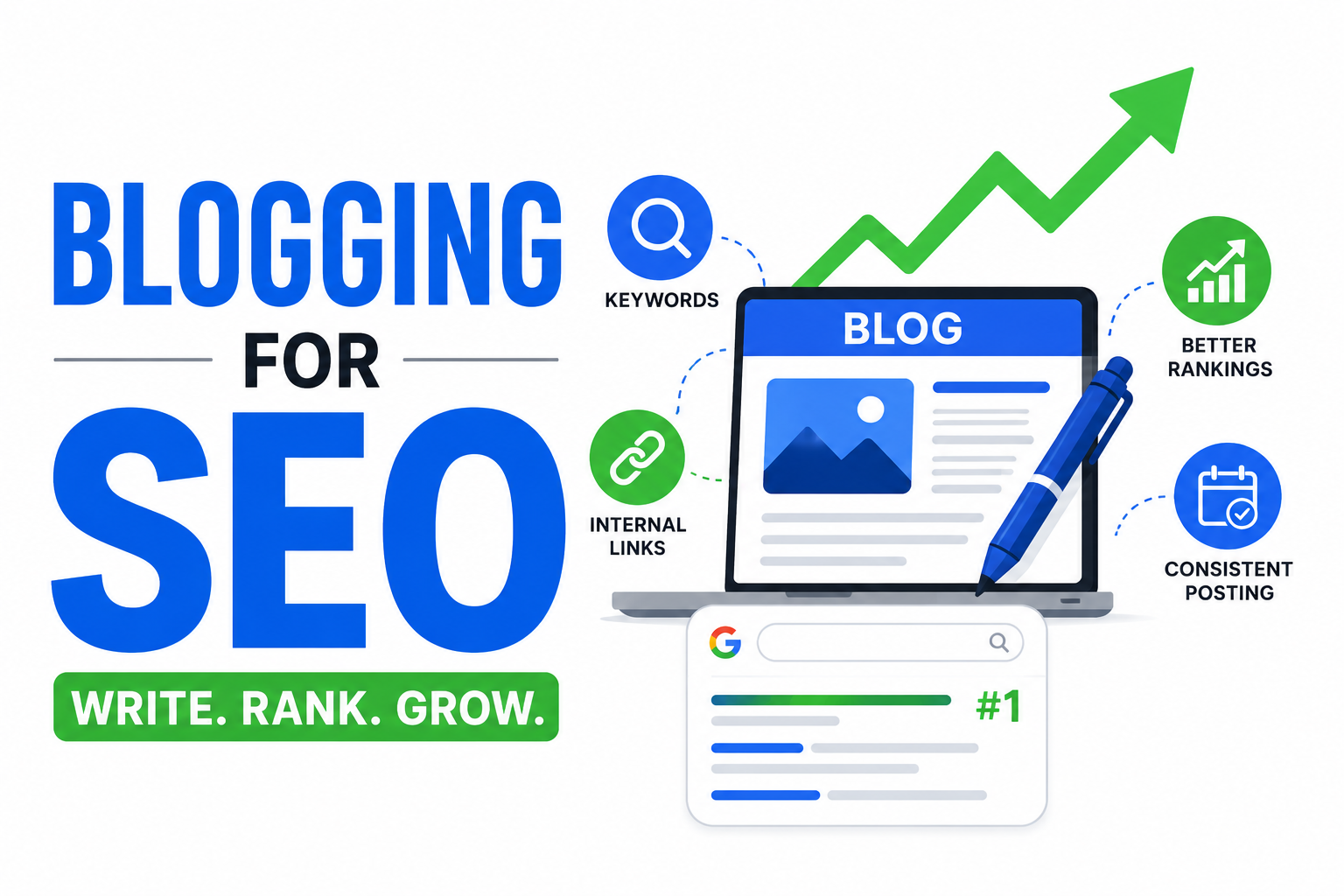
Publish consistently
Regular publishing signals an active, maintained site. You don't need daily posts, but a predictable cadence (weekly, bi-weekly) shows ongoing investment in the site.
Leverage Google Properties
Google's own tools can accelerate visibility.
Google Business Profile
If you have a physical location or serve local customers, a complete Google Business Profile is essential. It appears in Maps and local search results—often ranking before organic results.
- Fill out every field completely
- Add high-quality photos
- Encourage customer reviews
- Post updates regularly
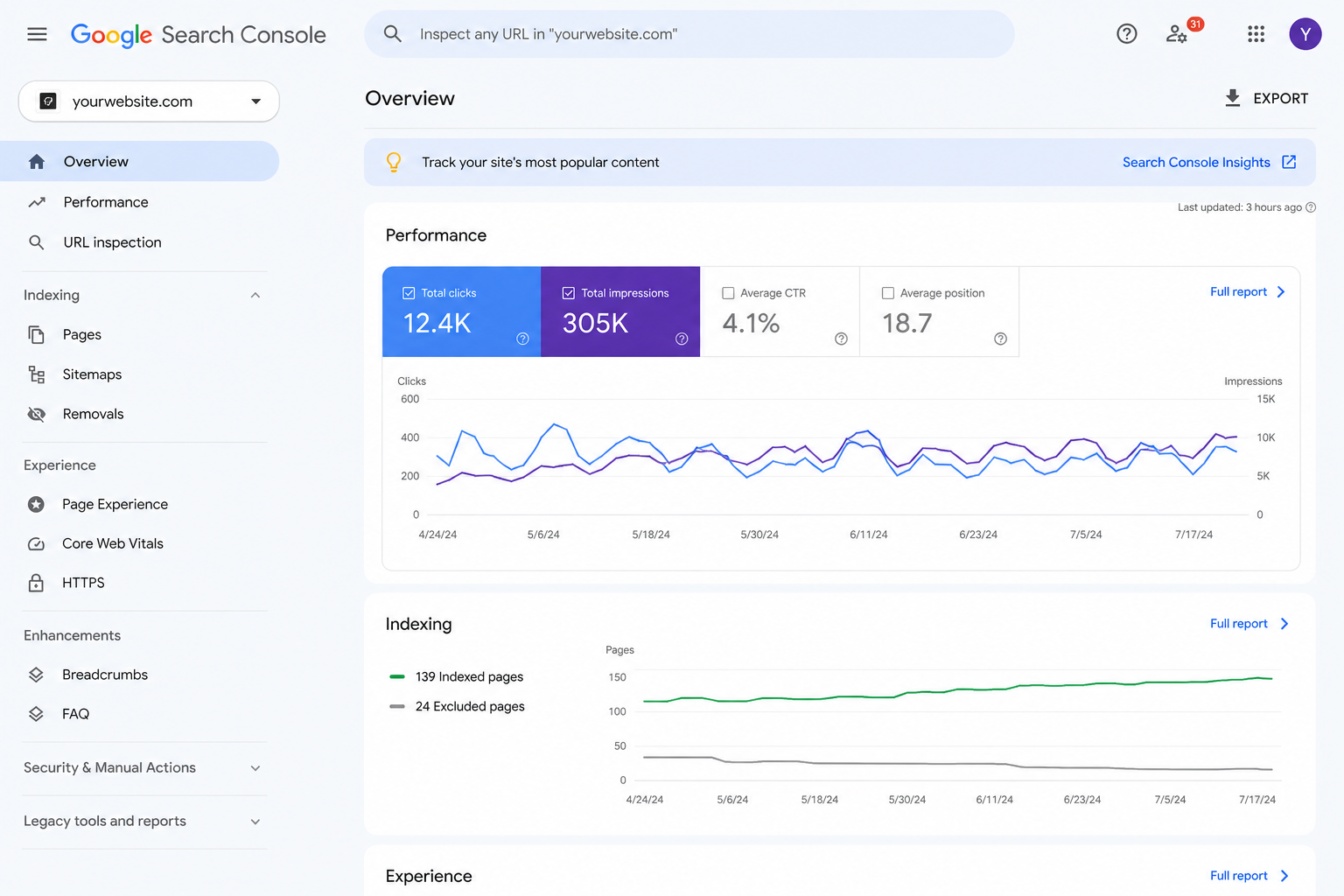
Google Search Console
Beyond sitemap submission, Search Console shows:
- Which pages are indexed
- Crawl errors to fix
- Search queries you're appearing for
- Mobile usability issues
- Core Web Vitals problems
Check it regularly and fix reported issues.
Structured Data
Schema markup helps Google understand your content and can enable rich results (star ratings, FAQ dropdowns, product information).
Common schemas for new sites:
- Organization
- LocalBusiness
- Article/BlogPosting
- FAQ
- HowTo
Use Google's Rich Results Test to verify implementation.
Realistic Expectations
Even with perfect execution, new site ranking takes time.
Typical timelines:
- Indexing: Days to a few weeks with proper submission
- Initial rankings: 1-3 months for long-tail keywords
- Competitive keywords: 6-12+ months, depending on competition
- Established authority: 1-2+ years of consistent effort
These aren't fixed—some sites rank faster, some slower. But expecting first-page rankings for competitive terms in your first month sets up disappointment.
Focus on progress, not position
Track metrics that show movement:
- Number of indexed pages increasing
- New keywords appearing in Search Console
- Impressions and clicks growing
- Average position improving (even if not page one yet)
Common Mistakes to Avoid
Premature optimization obsession
Spending hours tweaking meta descriptions when you have five pages and no backlinks is misplaced effort. Focus on content and authority first.
Targeting impossible keywords
"Best laptops 2026" is dominated by major tech publications with decades of authority. A new site won't rank there soon. Pick battles you can win.
Thin, duplicate, or low-value content
Publishing AI-generated filler or spun content damages your site's reputation with Google. Every piece should add genuine value.
Impatience leading to bad practices
Buying links, keyword stuffing, or other shortcuts might seem tempting when progress is slow. These create long-term damage for short-term illusions of progress.
Ignoring user experience
Rankings require good content, but also good experience. Annoying popups, slow loading, broken mobile layouts—these drive users away and signal low quality.
The Long Game
SEO for new websites requires patience and persistence. There are no legitimate shortcuts to authority. But consistent effort compounds:
- Each quality piece of content adds to your foundation
- Each legitimate backlink strengthens authority
- Each month of history builds domain trust
- Each satisfied visitor signals quality
Sites that invest consistently for 12-18 months often see dramatic improvement. Those seeking quick fixes usually fail.
Start with the fundamentals covered here. Execute consistently. Track progress. Adjust based on data. The rankings will come.
Need help with SEO for your new website? Duo Dev Technologies offers SEO-focused web development and optimization services. Contact us to discuss your visibility goals.