Your website has five pages: Home, About, Services, Contact, and maybe a Portfolio. That's great for explaining who you are. But it's terrible for SEO.
Why? Because Google needs content to rank. Five pages give search engines almost nothing to work with.
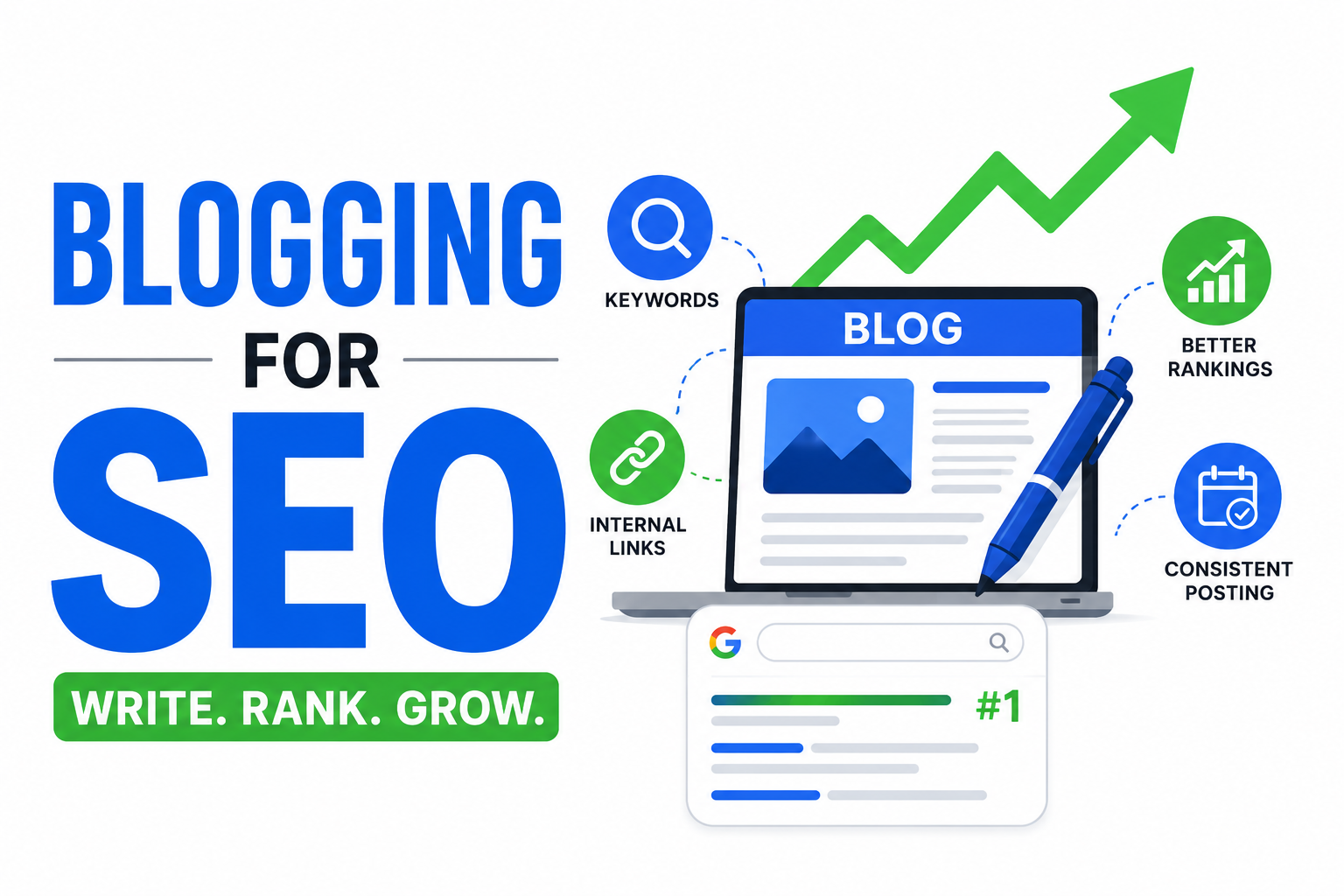
Blogging changes that. Every blog post is a new page Google can index. Each post targets different keywords. Each piece creates opportunities for traffic.
Let's explore exactly how blogging improves your search rankings.
More Pages = More Opportunities
Search engines rank individual pages, not entire websites.
A 5-page website can rank for... maybe 5-10 keywords. A website with 100 blog posts? Potentially hundreds of keywords.
Every blog post you publish:
- Creates a new indexed page
- Targets new keywords
- Attracts new visitors
- Builds topical authority
It's math. More quality pages = more ranking opportunities.
Keywords You Can't Target Otherwise
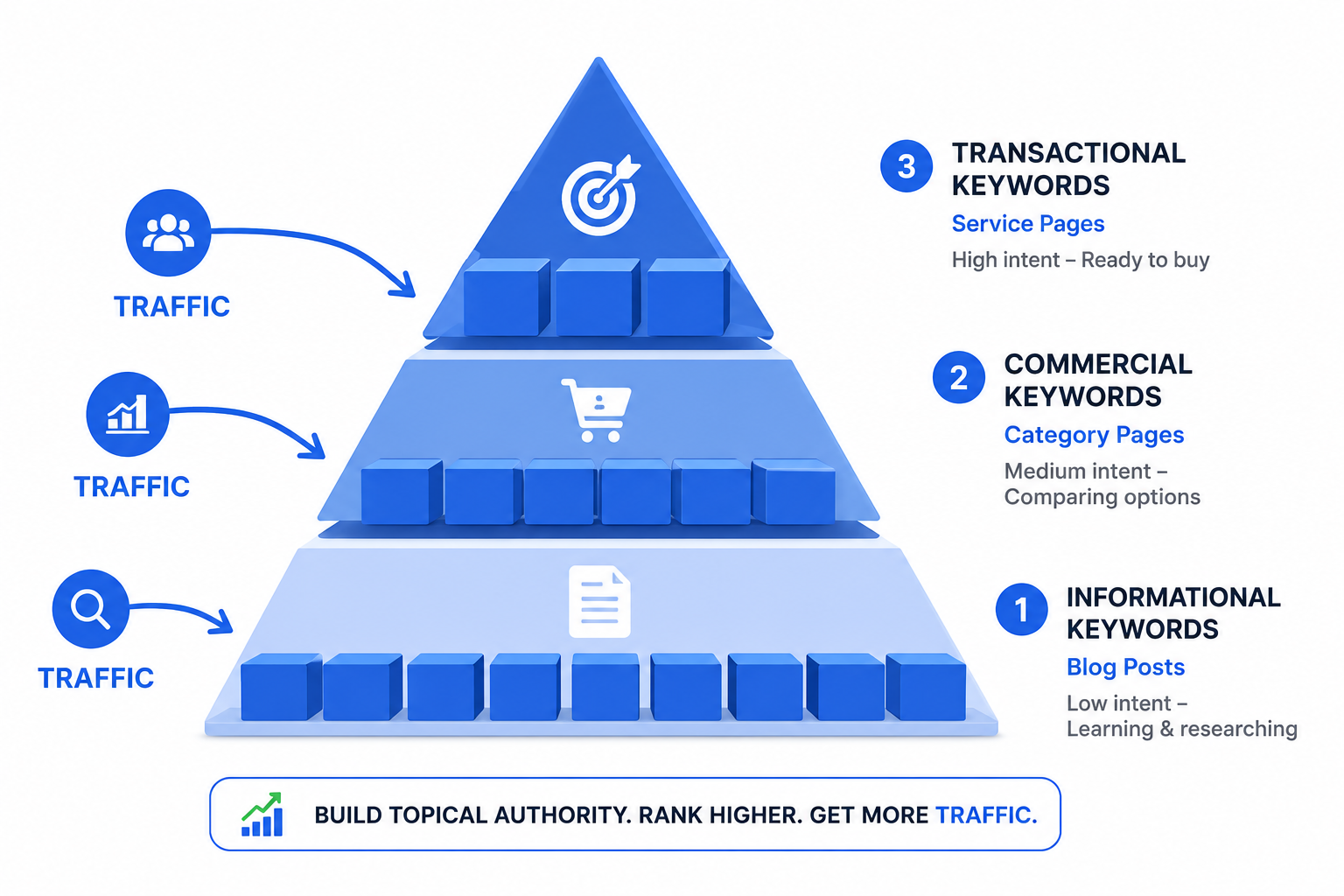
Your main pages focus on commercial keywords:
- "web development services"
- "hire web developer"
- "custom software development"
These are competitive. Everyone targets them.
Blog posts let you target informational keywords:
- "how to choose a web developer"
- "web development cost breakdown"
- "signs your website needs rebuilding"
These informational queries:
- Have less competition
- Attract people earlier in their journey
- Build trust before commercial interaction
- Create entry points to your site
People searching "how to choose a web developer" might become clients. But you can't target that keyword with a services page.
Fresh Content Signals
Google notices website freshness. Sites that regularly publish signal:
- Active maintenance
- Current information
- Ongoing relevance
Stale websites get crawled less frequently. New content triggers more crawling, which means faster indexing of changes across your site.
This doesn't mean publishing garbage daily. Quality matters more than frequency. But consistent publishing (weekly, biweekly) keeps your site alive in Google's eyes.
Internal Linking Power
Every blog post creates internal linking opportunities.
When you write about "how to choose a tech stack," you naturally link to:
- Your services page
- Your case studies
- Related blog posts
This internal linking:
- Helps Google understand site structure
- Passes authority between pages
- Improves crawlability
- Guides visitors to relevant content
A new blog post doesn't just help itself rank—it strengthens your entire site.
See our guide on How to Plan Website Architecture for SEO for more on internal linking strategy.
Building Topical Authority
Google favors sites that demonstrate expertise in a topic.
One article about "web development" doesn't establish authority. But 50 articles covering web development comprehensively? That's authority.
This is called topical authority—the breadth and depth of content on a subject.
When you've written extensively about a topic, Google trusts you more on related queries. Your newer articles rank faster. Your existing articles get boosted.
Building Authority Through Content Clusters
Organize content in clusters:
Pillar page: Comprehensive guide (e.g., "Complete Guide to SEO")
Cluster content: Supporting articles (e.g., "On-page SEO," "Technical SEO," "Link Building")
Link cluster content to pillar pages and each other. This tells Google you comprehensively cover the topic.
Long-Tail Keyword Targeting
Long-tail keywords are specific phrases with lower search volume but higher intent.
- "web development" = high volume, competitive
- "web development for small business ecommerce" = lower volume, less competitive
Blog posts are perfect for long-tail targeting:
- Natural fit for specific topics
- Lower competition means easier ranking
- Higher relevance means better conversion
An article targeting "how much does a custom WordPress theme cost" might only get 100 monthly searches. But those visitors have specific intent and are more likely to convert.
Backlink Attraction
Great blog content attracts backlinks naturally.
Service pages rarely get linked. Why would someone link to your pricing page?
But useful content gets shared:
- Original research
- Comprehensive guides
- Helpful tutorials
- Industry insights
Each backlink strengthens your domain authority, helping all pages rank better.
Create "linkable assets"—content specifically designed to earn links:
- Data studies
- Tools and calculators
- Definitive guides
- Original research
Traffic Compounding
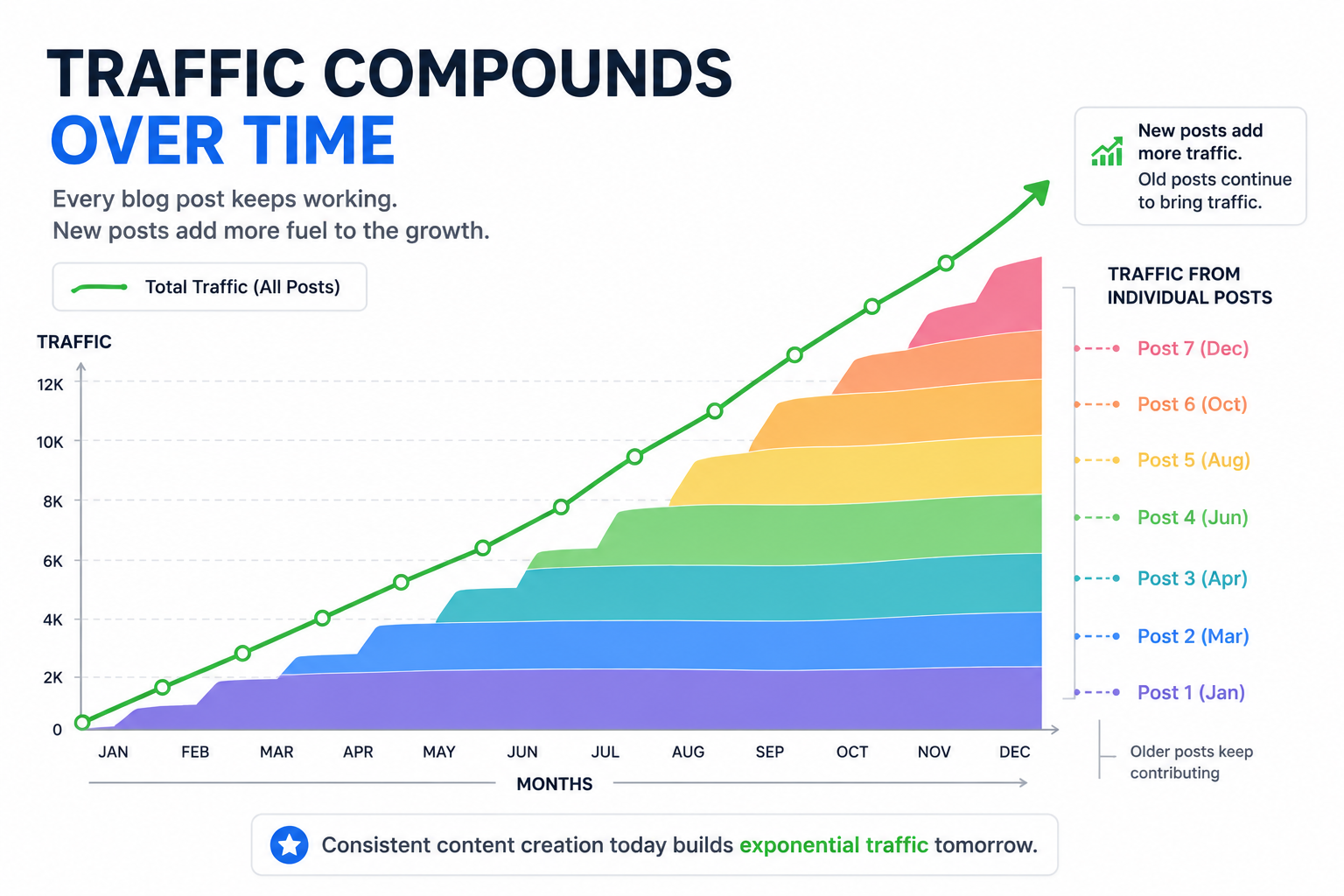
Blog traffic compounds over time.
Month 1: You publish 4 articles. They get indexed. Traffic: minimal.
Month 6: You have 24 articles. Some start ranking. Traffic: growing.
Month 12: You have 48+ articles. Many rank. Old articles continue driving traffic. Traffic: significant.
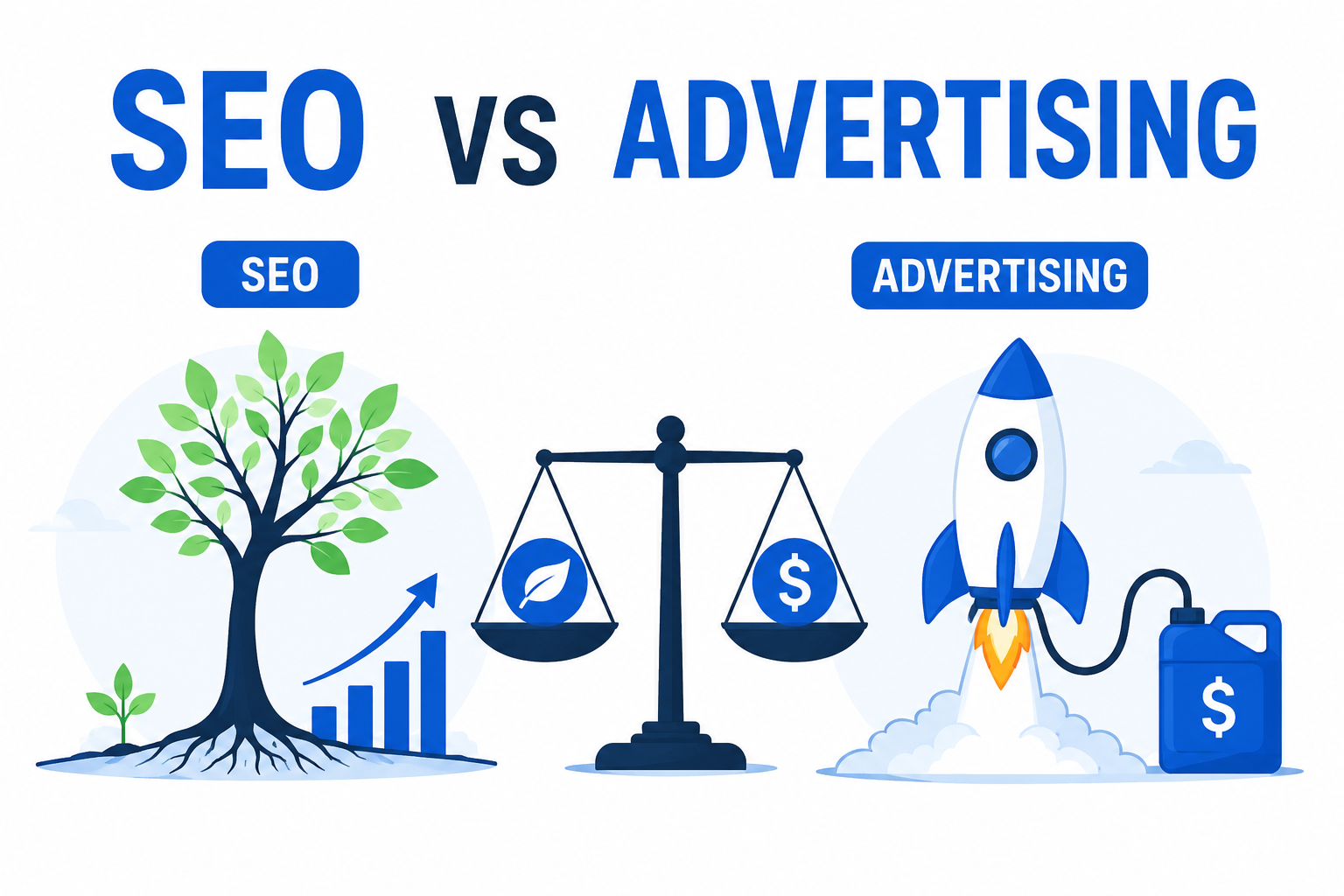
A blog post you write today might drive traffic for years. Unlike ads that stop when you stop paying, content continues working.
User Engagement Signals
Blogging creates opportunities for engagement:
- Time on site increases (reading articles)
- Pages per session increases (internal links)
- Bounce rate may decrease (relevant content)
These engagement metrics may indirectly influence rankings. Users staying longer and exploring more suggests valuable content.
How to Blog for SEO
Keyword Research First
Before writing, identify target keywords:
- What do people search for?
- What questions do they ask?
- What's the competition level?
See our Keyword Research Guide for Beginners.
Write for Humans, Optimize for Search
Good SEO content:
- Answers the searcher's question thoroughly
- Uses keywords naturally
- Provides unique value
- Is readable and engaging
Don't keyword stuff. Don't write thin content. Create something worth ranking.
Structure Content Properly
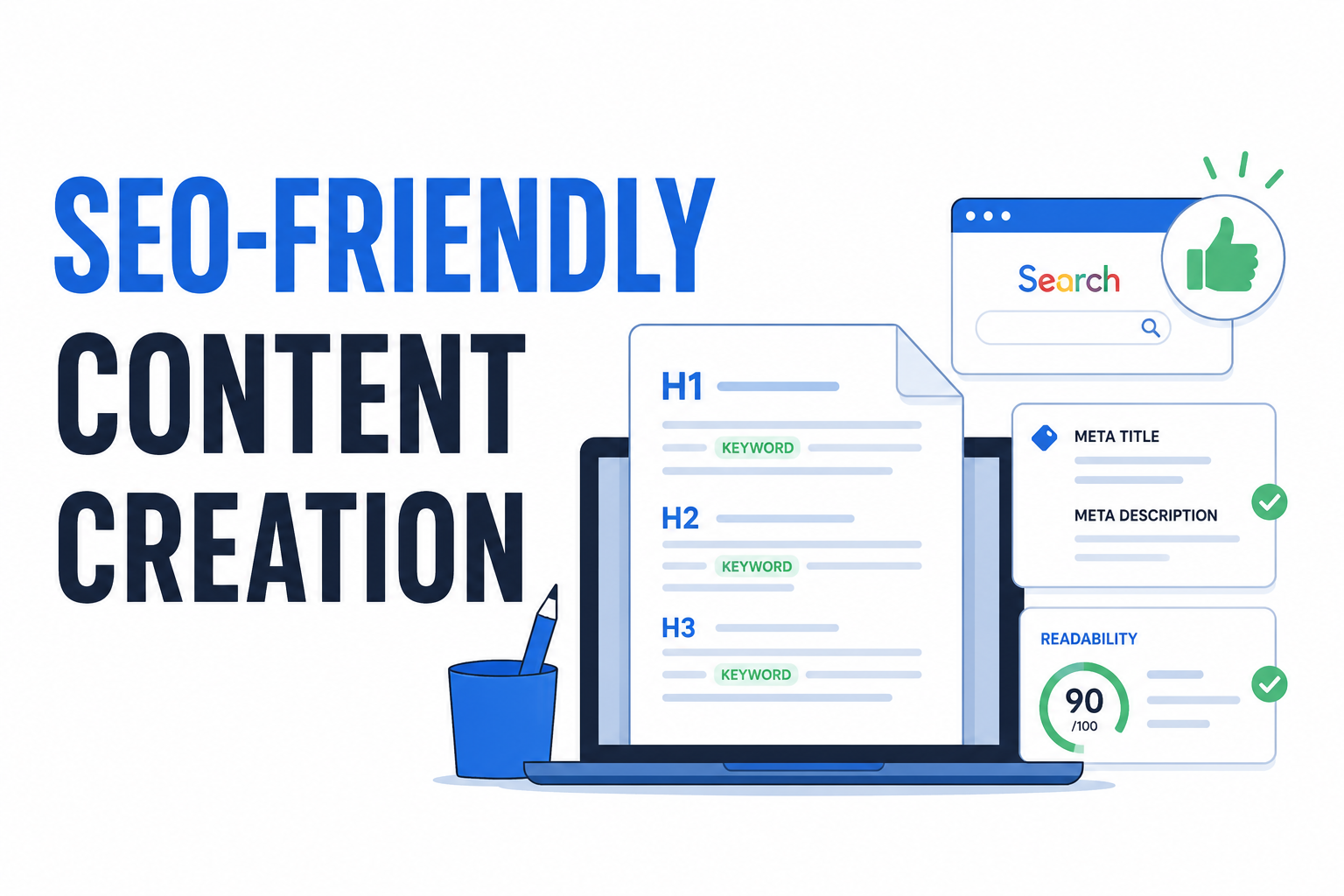
- Use H1 for title (one per page)
- Use H2 for main sections
- Use H3 for subsections
- Include relevant images with alt text
- Keep paragraphs short
Structure helps both readers and search engines.
Update Old Content
Blog posts decay. Information becomes outdated. Rankings slip.
Regular content updates:
- Refresh statistics
- Add new information
- Improve formatting
- Fix broken links
Updated content often sees ranking improvements.
Common Blogging Mistakes
Writing About Everything
Random topics don't build authority. Focus on your core expertise.
A web development company blogging about cooking, travel, and fitness confuses search engines about your focus.
Ignoring Search Intent
Writing what you want vs. what people search for.
Research queries first. Write content people actually seek.
Inconsistent Publishing
Starting strong, then stopping. The graveyard of business blogs.
A sustainable cadence (even monthly) beats a burst of posts followed by silence.
Not Promoting Content
Publishing and hoping isn't a strategy.
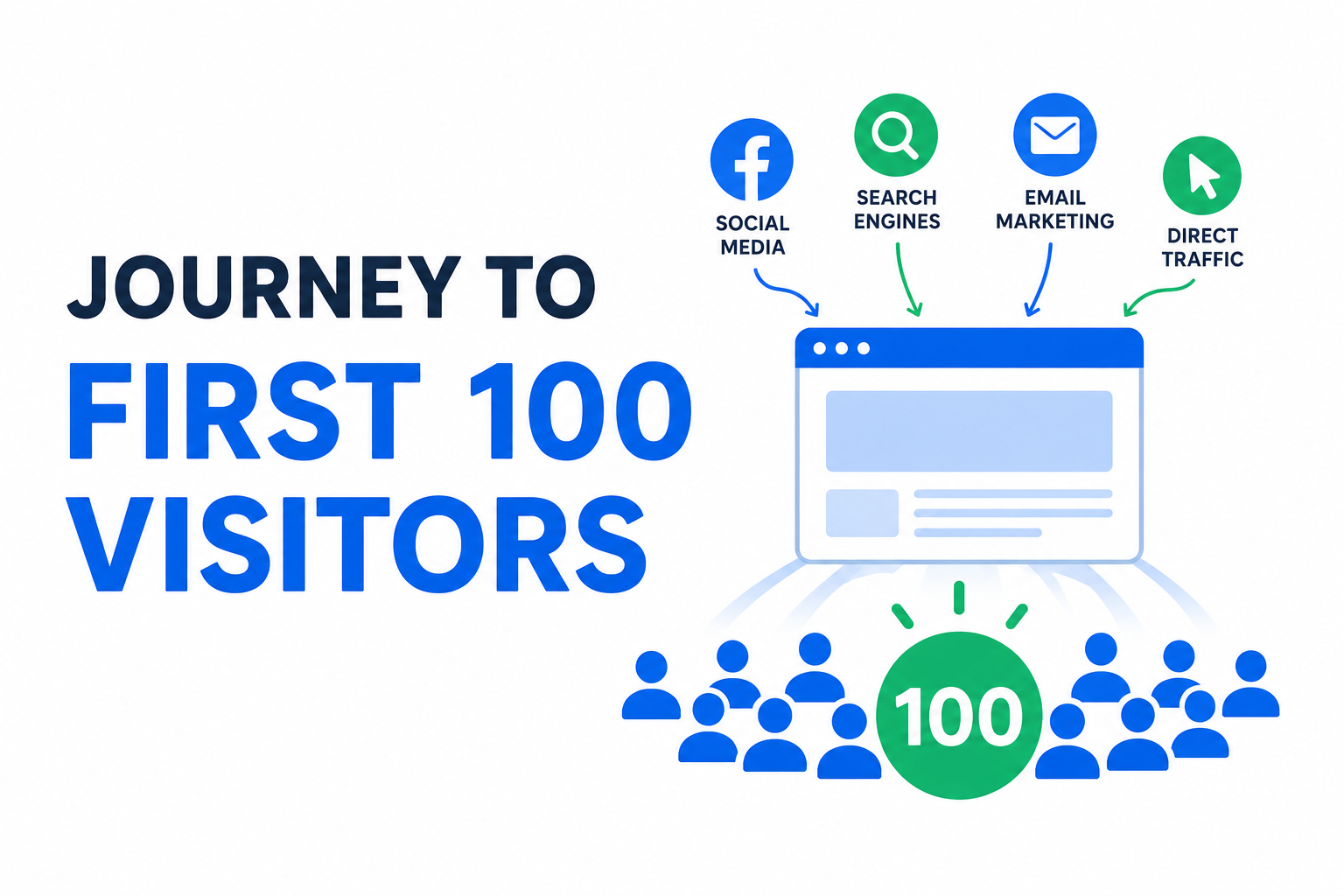
Share on social media. Email your list. Reach out to relevant communities. Content needs distribution.
Neglecting Technical SEO
Great content with poor technical implementation struggles to rank.
Ensure fast loading, mobile optimization, and proper markup.
Measuring Blog SEO Success
Track these metrics:
Organic traffic: Traffic from search engines to blog content
Keyword rankings: Positions for target keywords
Indexed pages: How many blog posts Google has indexed
Backlinks: Links earned by blog content
Time on page: Engagement with content
Conversions: Actions taken (signups, contacts) from blog visitors
Use Google Search Console and Analytics to monitor progress.
Getting Started
- Identify 10 topics your audience searches for
- Research keywords for each topic
- Create a content calendar (weekly or biweekly)
- Publish consistently for 6+ months
- Measure and iterate
Blogging for SEO is a long game. Results take months, not weeks. But the compounding effect makes it worth the investment.
Your competitors who aren't blogging are missing opportunities you can capture.
Need help with content strategy or blog development? Contact Duo Dev for content planning and implementation services.