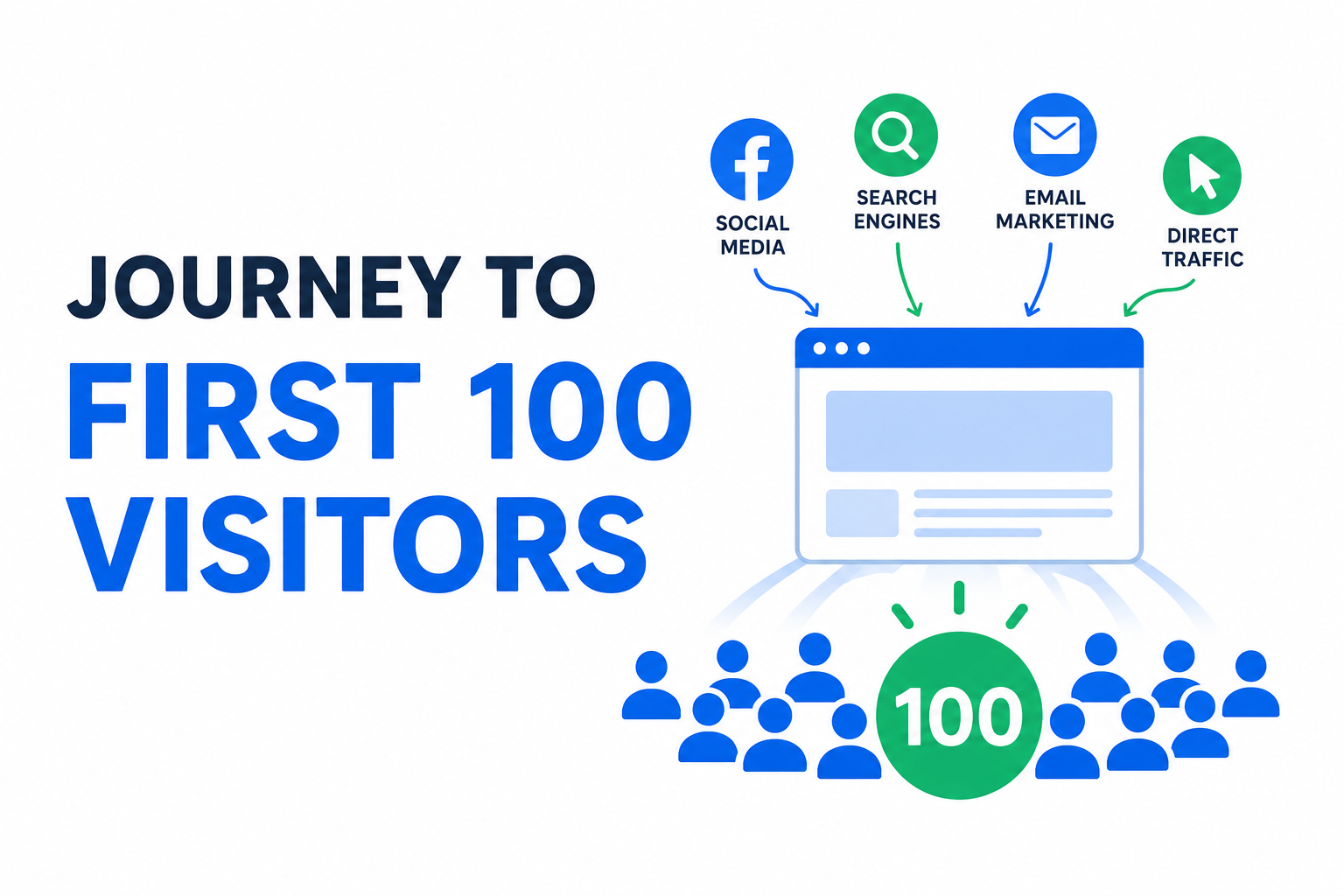
You've launched your website. It looks professional. Your content is polished.
Then you check analytics. Zero visitors. Day after day.
This is where most websites fail. Not from bad design or poor content, but from invisibility. Building a website doesn't automatically bring visitors.
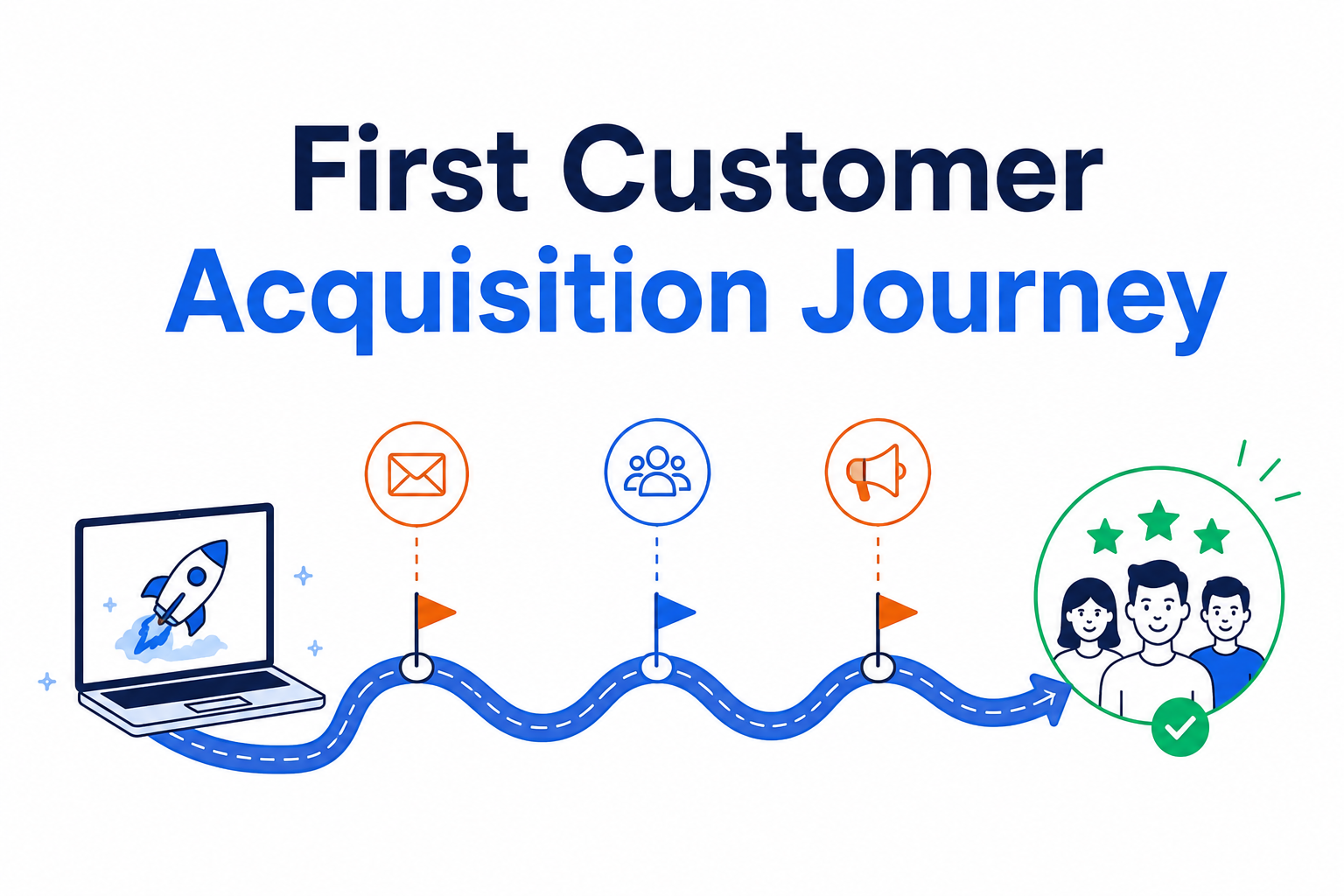
Getting your first 100 visitors requires deliberate effort. Here's exactly how to make it happen.
Why 100 Visitors Matters
100 visitors isn't just a vanity metric. It's validation:
- People can find you
- Something's working
- You can measure what happens next
It's also momentum. Going from 0 to 100 is harder than going from 100 to 500. That first milestone proves your strategy works.
Before You Start
Your website needs these basics:
- Analytics installed (Google Analytics)
- Clear purpose (what should visitors do?)
- Working contact methods
- Mobile responsiveness
No point driving traffic to a broken site.
Immediate Traffic Sources
Your Existing Network
The easiest visitors are people you already know.
- Share on personal social media
- Email friends and family
- Tell colleagues and professional contacts
- Mention in relevant communities you're part of
This isn't "real" traffic—they're not discovering you organically. But it proves things work and gives initial feedback.
Don't spam people. A genuine "hey, I launched something, would love your thoughts" works better than mass messages.
Social Media Profiles
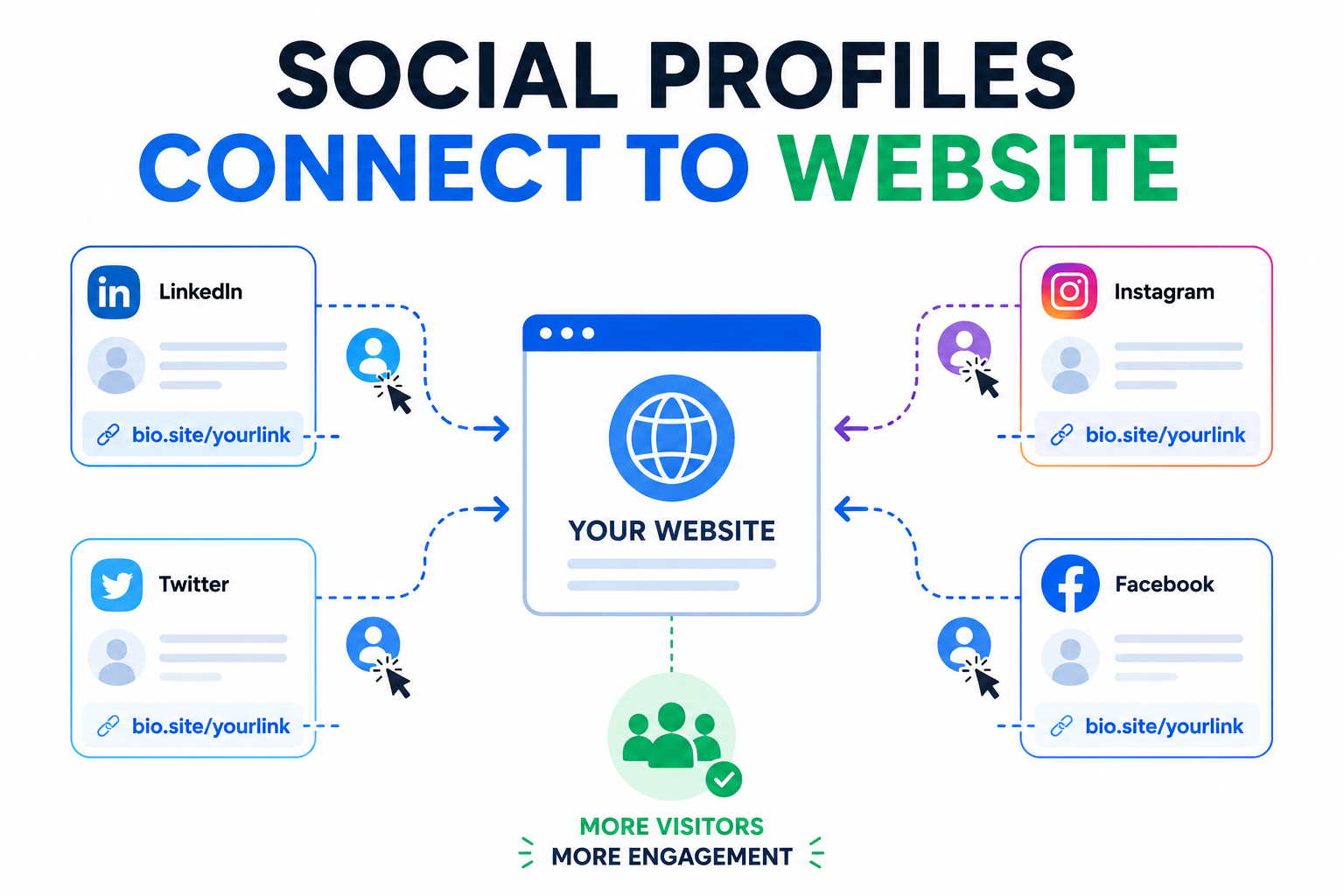
Update every profile with your website:
- LinkedIn (personal and company)
- Twitter/X bio
- Instagram bio
- Facebook page
- YouTube channel description
- Any forum signatures
Every profile view is a potential website visit.
Content-Based Traffic
Answer Questions on Q&A Sites
Platforms like Quora, Reddit, and Stack Overflow have people asking questions right now.
Find questions related to your expertise:
- Search your keywords
- Filter by recent activity
- Look for unanswered or poorly answered questions
Provide genuinely helpful answers. Include your website link when truly relevant (not forced).
Good: "Here's how to solve X... I wrote more about this at [link] if you want deeper info."
Bad: "Check my website [link] for the answer."
Helpful answers get upvotes, which increases visibility, which drives more traffic.
Guest Posts
Contribute articles to websites your audience reads.
Benefits:
- Immediate traffic from their audience
- Backlink to your site
- Credibility by association
Start with smaller sites. They're more likely to accept guest posts from unknown writers.
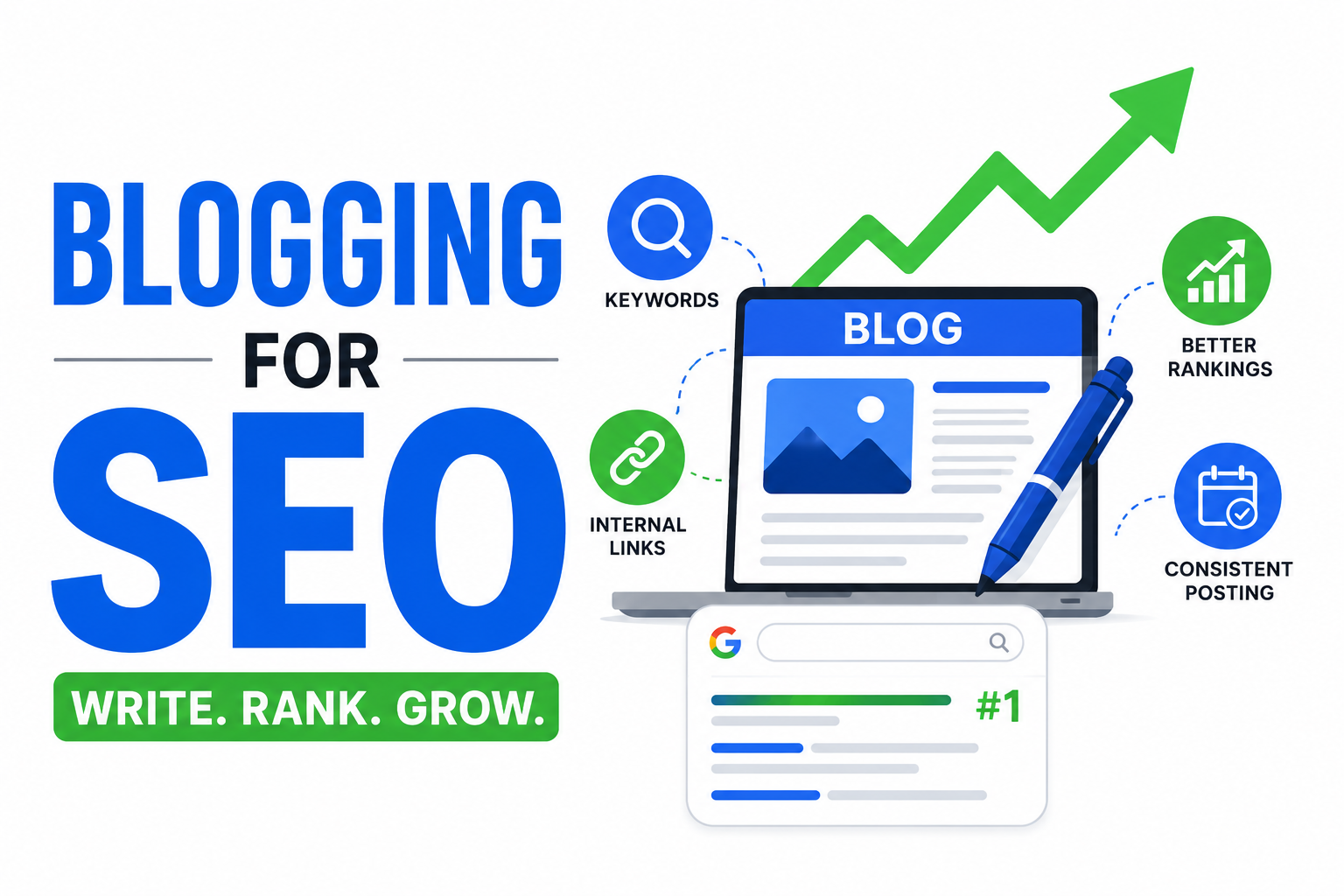
Blog on Your Own Site
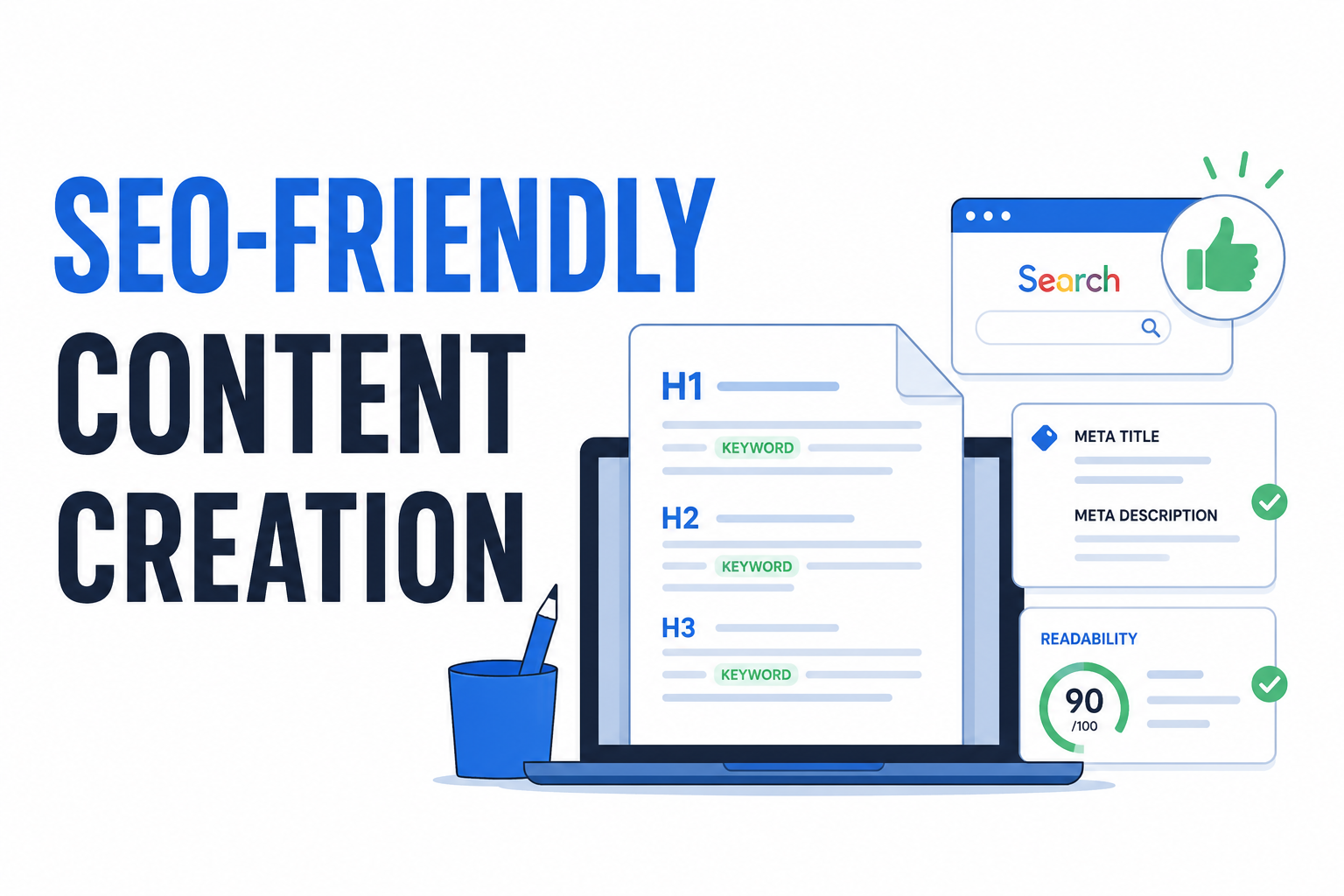
Publishing helpful content creates discoverable pages.
Each blog post targets different keywords. Over time, search traffic builds.
Write about:
- Problems your audience faces
- Questions they ask
- Topics they search for
Search Engine Optimization
Get Indexed First
Google won't rank you if you're not indexed.
- Submit sitemap to Google Search Console
- Request indexing for key pages
- Verify indexing with
site:yourdomain.com
Use our Sitemap Generator to create a proper sitemap.
Target Low-Competition Keywords
New sites can't compete for competitive terms immediately.
Find long-tail keywords:
- More specific phrases
- Lower search volume
- Less competition
"best web developer" is competitive. "best web developer for shopify store in [city]" is less competitive.
See our Keyword Research Guide for finding opportunities.
Local SEO (If Applicable)
Local businesses should claim Google Business Profile immediately.
- Add complete business information
- Include photos
- Get reviews from customers
- Post updates regularly
Local searches often have less competition than national searches.
Social Media Strategies
Join Relevant Groups
Facebook groups, LinkedIn groups, and Discord servers exist for almost every niche.
Join groups where your audience hangs out. Participate genuinely:
- Answer questions
- Share insights
- Help others
Build reputation first. Promote later.
Create Shareable Content
Social media favors certain content types:
- Infographics
- Lists and frameworks
- Surprising statistics
- How-to threads
Create content people want to share. Shared content reaches new audiences.
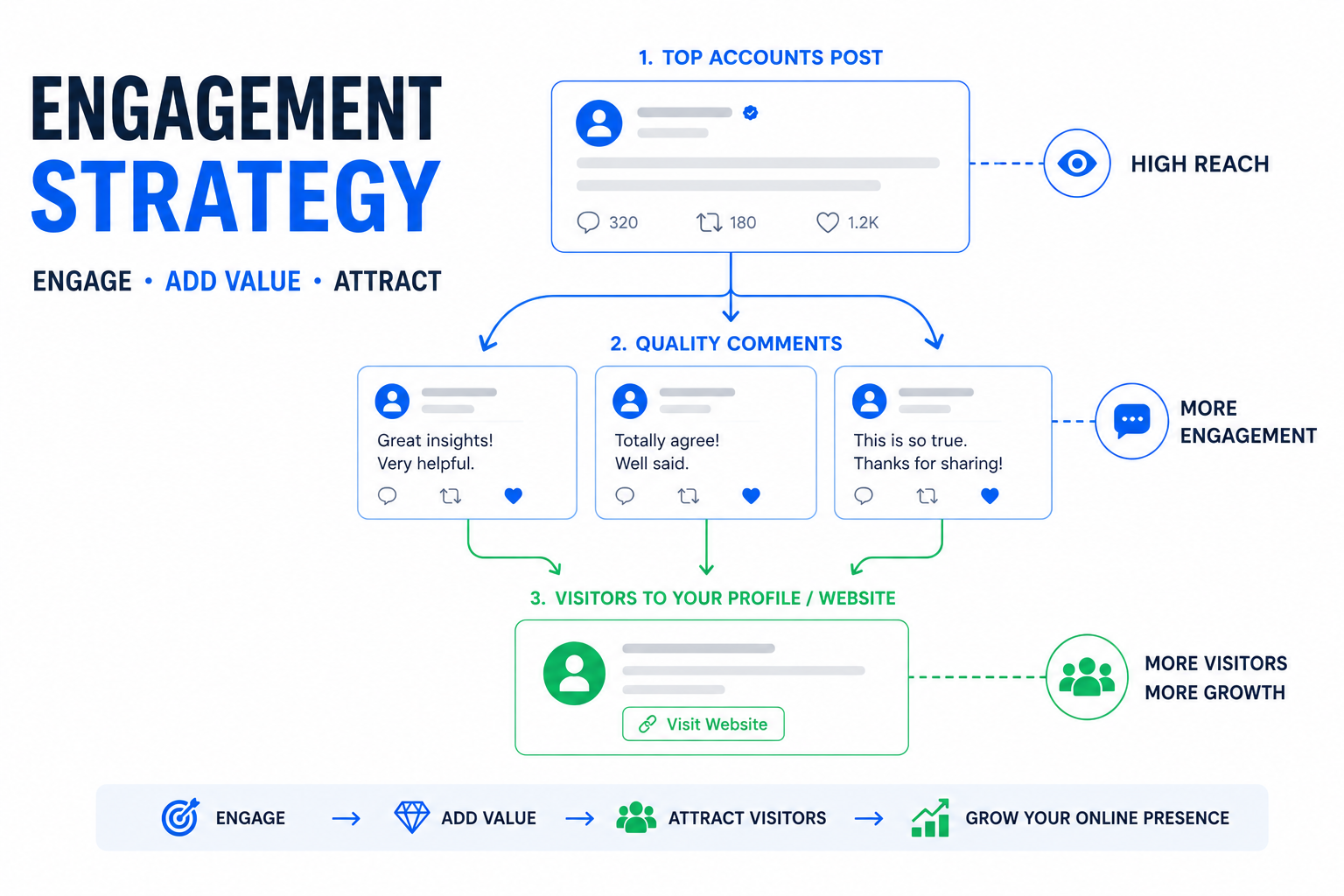
Engage with Larger Accounts
Thoughtful comments on larger accounts get visibility.
Not "great post!" but actual insights that add value. People notice quality contributions.
Email Outreach
Reach Out to Potential Partners
Identify websites, blogs, or influencers in adjacent spaces.
- Not competitors, but complementary
- People with established audiences
- Those who might benefit from collaboration
Propose genuine value exchanges:
- Collaboration ideas
- Resource sharing
- Cross-promotion opportunities
Build an Email List
Even with 100 visitors, start collecting emails.
Offer something valuable:
- Useful guide or checklist
- Exclusive content
- Discount or free trial
Email subscribers are return visitors. They help spread the word.
Directories and Listings
Industry Directories
Most industries have directories:
- Web development: Clutch, GoodFirms
- Local business: Yelp, Yellow Pages
- SaaS: Product Hunt, G2
- Startups: AngelList, Crunchbase
List your business everywhere relevant. Many directories are free.
"Best Of" Lists
Search for "best [your category] companies" articles.
Contact the writers to be considered for inclusion. Some will add you, especially if your offering is legitimately good.
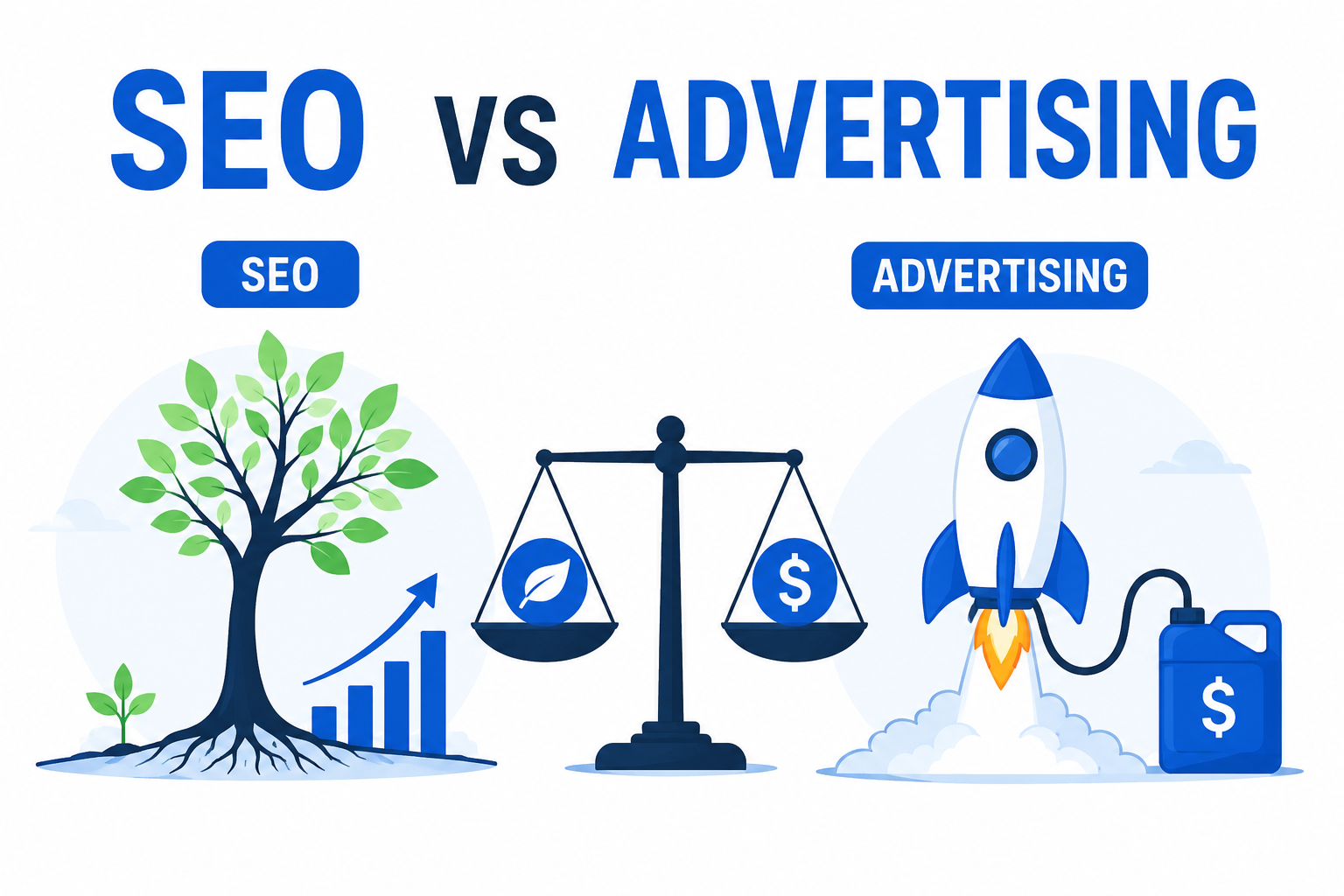
Paid Options (Optional)
Small Budget Ads
Even $20 in ads can jumpstart traffic:
- Google Ads for specific keywords
- Facebook/Instagram ads for target demographics
- LinkedIn ads for B2B
The goal isn't ROI immediately—it's proving traffic converts and learning about your audience.
Sponsored Content
Pay for inclusion in newsletters or posts that reach your audience.
Start small. Test different channels before investing heavily.
Making Visitors Stick
Getting visitors is half the battle. Making them stay matters too.
Clear Value Proposition
Within 5 seconds, visitors should understand:
- What you do
- Who it's for
- Why they should care
Confused visitors leave.
Easy Navigation
Visitors shouldn't hunt for information. Clear menus, logical structure, obvious calls to action.
Fast Loading
Slow sites lose visitors. Every second of delay increases bounce rate.
Mobile Experience
Most visitors are on phones. If your mobile experience is poor, you've lost them.
Tracking Progress
Set up tracking to know what's working:
Google Analytics: Traffic sources, behavior, conversions
Google Search Console: Search performance, indexing status
Social analytics: Which platforms drive clicks
Review weekly. Double down on what works. Drop what doesn't.
Timeline Expectations
| Week | Activities | Expected Results |
|---|---|---|
| 1 | Share with network, update profiles | 10-30 visitors |
| 2-3 | Q&A participation, directory listings | 20-40 additional |
| 4-6 | Guest posting, content creation | 20-30 additional |
| 6-8 | SEO improvements, consistent sharing | Organic traffic begins |
100 visitors typically takes 4-8 weeks with consistent effort.
After 100: What's Next?
Once you hit 100, the work continues:
- Analyze which sources performed best
- Invest more in top-performing channels
- Build systems for consistent traffic
- Set your next milestone (500, 1000)
The fundamentals don't change—they just scale.
Common Mistakes
Waiting for Traffic
"Build it and they will come" doesn't work. Active promotion is required.
Spamming Links
Dropping links without value damages reputation. Build trust first.
Giving Up Too Early
Traffic takes time. Most quit before momentum builds.
Ignoring Analytics
If you don't measure, you can't improve. Track everything.
Targeting Everyone
"Everyone" isn't a target audience. Be specific about who you serve.
Final Thoughts
Your first 100 visitors require effort. It's not automatic.
But those 100 prove something works. They create momentum. They give you data to improve.
Every successful website went from 0 to 100 at some point. The strategies above got them there.
Your turn.
Need help with your website launch or digital marketing strategy? Contact Duo Dev for website development and marketing consultation.